DIY foaming hand soap offers a simple yet effective way to maintain hygiene in your daily life. This method allows you to create a gentle, effective cleanser right in your own home. Regular handwashing is a cornerstone of good health, helping to reduce the spread of germs and keep you feeling your best. This is particularly relevant for families with children, individuals seeking more natural personal care options, or anyone wanting to personalize their home essentials.
In this article, we’ll guide you through the straightforward process of making your own foaming hand soap. You’ll learn about the basic ingredients, simple steps, and helpful tips to ensure a pleasant and effective outcome. We aim to empower you with the knowledge to create a product that aligns with your needs and preferences, promoting a sense of control over your personal care routines.
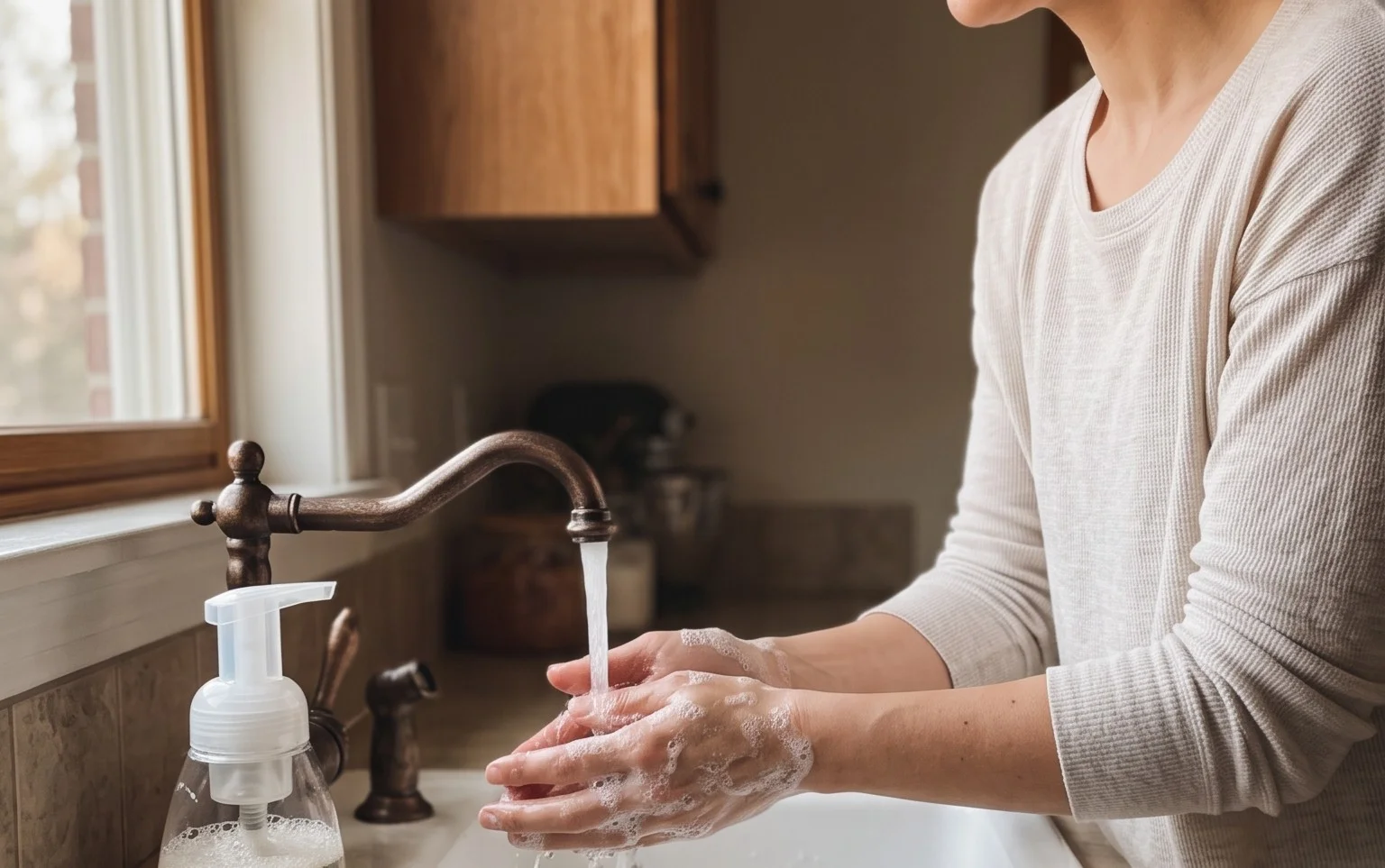
DIY Foaming Hand Soap: A Gentle and Sustainable Choice
In our daily lives, washing our hands is a fundamental act of hygiene. While commercially produced liquid and foaming hand soaps are readily available, many people are exploring the world of DIY (Do It Yourself) alternatives. DIY foaming hand soap, often associated with creators like Jenni Raincloud, offers a customizable, potentially more natural, and often more eco-friendly approach to keeping our hands clean. This article will delve into what DIY foaming hand soap is, why people are drawn to it, the general guidance surrounding hand hygiene, practical habits to adopt, what the science supports, common misconceptions, and when to seek professional medical advice.
What is DIY Foaming Hand Soap in Plain Language?
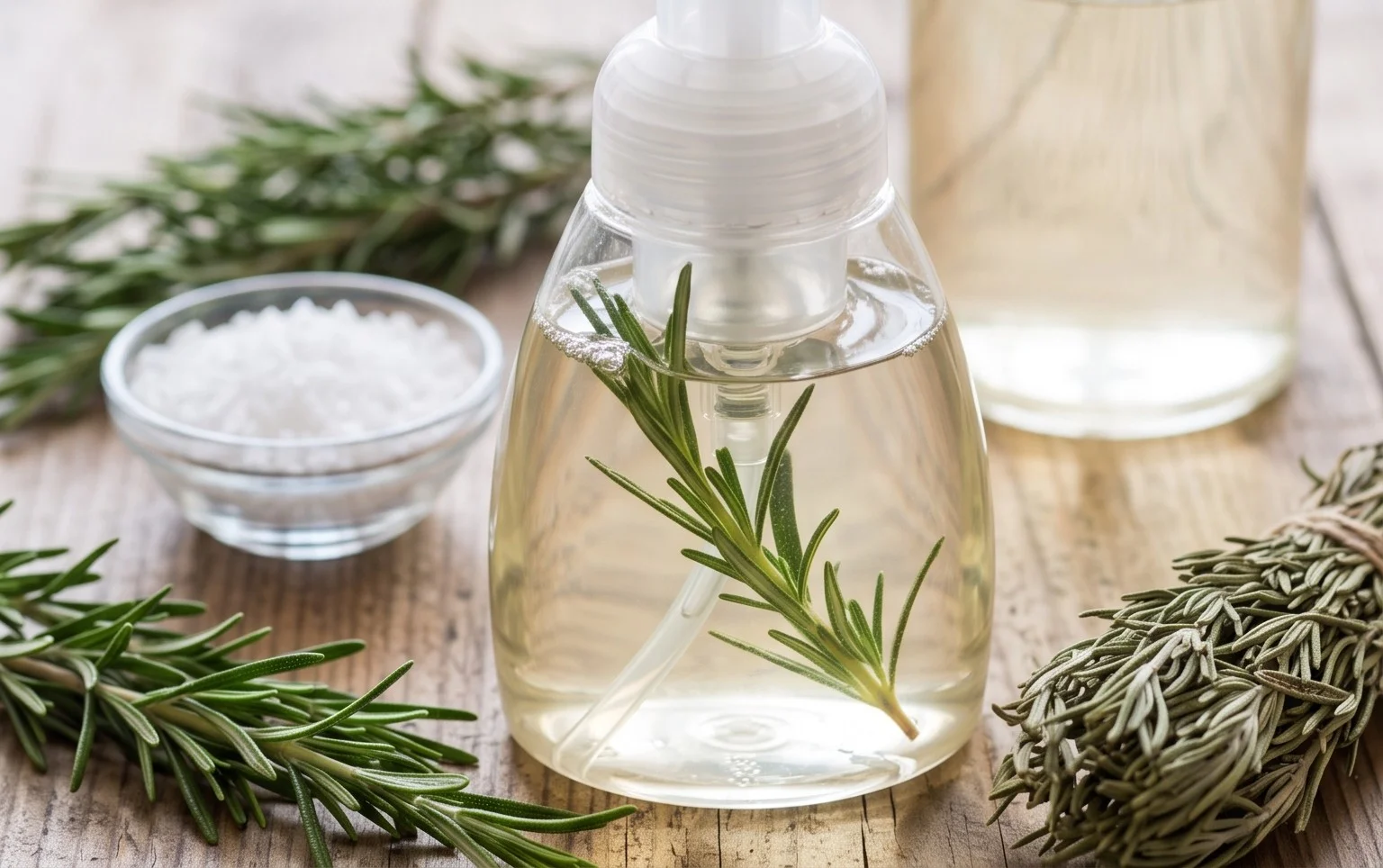
At its core, DIY foaming hand soap is simply a mixture of ingredients that you create yourself at home to achieve a soap that dispenses in a foamy lather. Unlike traditional liquid soaps that can sometimes feel thick or require more product to lather, foaming soaps dispense a lighter, airier foam from a special pump. This foam is designed to spread easily over your hands and effectively lift dirt and grime. The “DIY” aspect means you are selecting and combining the ingredients yourself, offering control over what goes onto your skin. This often involves using a base liquid soap or Castile soap, water, and sometimes essential oils for fragrance or added properties.
Common Signs or Factors Leading to DIY Soap Exploration
Several factors can prompt individuals to consider making their own foaming hand soap:
* **Desire for Natural Ingredients:** Many people are concerned about the synthetic fragrances, sulfates, parabens, and other chemicals found in some commercial soaps. They seek simpler, more natural formulations for their skin.
* **Skin Sensitivity and Allergies:** Those with sensitive skin or known allergies to specific ingredients in conventional soaps may turn to DIY options to avoid triggers.
* **Environmental Concerns:** The packaging of commercial soaps, particularly plastic bottles, contributes to waste. DIY enthusiasts often opt for reusable dispensers, reducing their environmental footprint.
* **Cost Savings:** While initial setup costs for dispensers might be involved, making your own soap can be more economical in the long run, especially when buying ingredients in bulk.
* **Customization and Personalization:** The ability to choose scents, adjust consistency, and potentially add beneficial ingredients like essential oils is a significant draw for many.
* **Interest in Sustainable Living:** DIY projects often align with a broader interest in self-sufficiency and reducing reliance on mass-produced goods.
What General Guidance Says About Hand Hygiene
Health authorities worldwide consistently emphasize the critical importance of thorough handwashing as a primary defense against the spread of infectious diseases. The general guidance focuses on using soap and clean water and following a specific technique for optimal effectiveness.
The recommended steps typically involve:
* Wetting your hands with clean, running water (warm or cold).
* Applying enough soap to create a good lather.
* Rubbing your hands together vigorously, covering all surfaces, including the backs of your hands, between your fingers, and under your nails.
* Continuing to lather and rub for at least 20 seconds. This is often timed by singing “Happy Birthday” twice.
* Rinsing your hands thoroughly under clean, running water.
* Drying your hands with a clean towel or air dryer.
This consistent message from public health bodies underscores that the *act* of washing with soap and water, and the *duration* of that washing, are paramount, regardless of the specific brand or type of soap used, as long as it effectively cleanses the skin.
Practical Everyday Habits to Act On
Incorporating effective handwashing into your daily routine is simple yet profoundly impactful. Here are some practical habits you can adopt:
* **Before and After Food Preparation:** Always wash your hands before handling food and after touching raw meat, poultry, seafood, or eggs.
* **Before Eating:** Wash your hands before every meal, especially if you’ve been out and about.
* **After Using the Restroom:** This is a non-negotiable step for everyone, every time.
* **After Blowing Your Nose, Coughing, or Sneezing:** Germs can easily spread from your respiratory system to your hands.
* **After Touching Animals, Animal Feed, or Animal Waste:** Pets can carry various pathogens.
* **After Touching Garbage:** Garbage bins are a breeding ground for bacteria.
* **Before and After Caring for Someone Sick:** To protect yourself and prevent spreading illness.
* **Before and After Treating a Cut or Wound:** To prevent infection.
* **When Your Hands are Visibly Dirty:** Even if you can’t recall a specific germ-spreading activity, if your hands look grimy, wash them.
Making these habits automatic will significantly reduce your risk of getting sick and spreading germs to others. Consider placing visual reminders in key areas like the bathroom and kitchen if needed.
What the Evidence Does and Does Not Support
The evidence overwhelmingly supports the efficacy of washing hands with soap and water for removing germs and preventing the spread of infections. This is a well-established public health principle.
* **What is Supported:**
* **Soap and Water Effectiveness:** Scientific studies have consistently demonstrated that washing hands with soap and water effectively removes most bacteria and viruses from the skin. The mechanical action of rubbing and the chemical properties of soap work together to lift and wash away pathogens.
* **Foaming vs. Liquid Soap Efficacy:** There is no strong scientific evidence to suggest that foaming hand soap is inherently more or less effective at killing germs than traditional liquid soap when both are used properly and for the recommended duration. The lathering quality of foaming soap can make it easier to spread across the hands, potentially encouraging better coverage and a more thorough wash for some individuals.
* **Natural Ingredients and Skin Health:** Many DIY recipes prioritize natural ingredients, which can be beneficial for individuals with sensitive skin who may react to synthetic additives. However, it’s important to note that “natural” does not always equate to “hypoallergenic.” Essential oils, for instance, while natural, can be potent and may cause irritation or allergic reactions in some people.
* **What is Not Supported (or Needs Nuance):**
* **DIY Soap as a Superior Disinfectant:** While DIY soaps are effective cleansers, they are not typically formulated to be disinfectants in the same way that non-alcoholic alternative-based hand sanitizers are. Their primary function is to remove dirt and microbes through washing.
* **Specific “Miracle” Ingredient Claims:** Be wary of claims that certain essential oils or unique ingredient combinations in DIY soaps possess extraordinary germ-killing properties beyond general cleansing. While some essential oils have antimicrobial properties, their effectiveness in a diluted soap mixture at the concentrations typically used in DIY recipes for actual disinfection is not as well-established as dedicated disinfectants.
* **DIY Soap Universally Better for All Skin Types:** While natural ingredients can be gentler, some individuals may still experience sensitivities. The quality and source of ingredients, as well as individual skin chemistry, play a significant role.
Common Myths Worth Correcting
Several misconceptions surround DIY hand soaps and hand hygiene in general. Addressing these can help promote a clearer understanding.
* **Myth 1: All DIY Soaps Are Gentler Than Commercial Soaps.**
* **Correction:** While many DIY recipes aim for gentler formulations, this is not universally true. The quality of ingredients, their concentration, and individual skin sensitivity are key. Some natural ingredients, like certain essential oils, can be irritants if used incorrectly or in high concentrations. Conversely, some commercial soaps are specifically formulated for sensitive skin and are hypoallergenic.
* **Myth 2: Foaming Soap Kills More Germs.**
* **Correction:** As mentioned, the foaming action itself doesn’t kill more germs. It’s the soap and water combined with proper washing technique that removes them. The foam’s lightness can simply make it easier for some people to cover their hands effectively.
* **Myth 3: You Need Special “Natural” Soaps to Have Healthy Hands.**
* **Correction:** The most crucial aspect of hand hygiene is regular washing with any effective soap and water for at least 20 seconds. While natural ingredients can be a preference, they are not a prerequisite for clean and healthy hands.
* **Myth 4: Antibacterial Soaps Are Always Better.**
* **Correction:** For general everyday handwashing, regular soap and water are just as effective as antibacterial soaps at removing most germs. Antibacterial ingredients in soaps haven’t been shown to provide any additional health benefit for the general population in home settings. Overuse of antibacterial agents can also contribute to the development of antibiotic resistance.
When to Speak to a Qualified Healthcare Professional
While DIY foaming hand soap can be a wonderful addition to your personal care routine, it’s essential to recognize when professional medical advice is necessary.
* **Persistent Skin Issues:** If you experience ongoing redness, itching, dryness, cracking, or rashes on your hands, even after trying different soaps and skincare routines, it’s time to consult a doctor or dermatologist. These could be signs of eczema, contact dermatitis, fungal infections, or other underlying skin conditions.
* **Signs of Infection:** If you notice any signs of infection on your hands, such as increased redness, swelling, warmth, pus, or fever, seek medical attention immediately.
* **Severe Allergies or Sensitivities:** If you suspect you have developed a severe allergic reaction to an ingredient in a DIY soap or any other product, consult a healthcare professional for diagnosis and management.
* **Concerns About Illness:** If you are experiencing symptoms of illness, such as fever, persistent cough, or other concerning signs, your primary care physician can provide guidance on managing your health and preventing the spread of infection.
* **Personalized Advice on Skin Care:** For individuals with specific skin conditions, allergies, or particular health concerns, a qualified healthcare professional can offer personalized recommendations tailored to their unique needs.
Consult a Qualified Healthcare Professional for Personal Advice
This article provides general information about DIY foaming hand soap and hand hygiene. It is not intended to be a substitute for professional medical advice, diagnosis, or treatment. Always seek the advice of your physician or other qualified health provider with any questions you may have regarding a medical condition or personal health. Do not disregard professional medical advice or delay in seeking it because of something you have read in this article. If you are experiencing a medical emergency, call your doctor or emergency services immediately.
Conclusion
Creating your own foaming hand soap offers a rewarding and practical way to manage your personal care routine with simple, natural ingredients. Remember, the key is to embrace these small steps towards a healthier lifestyle. By making gradual, sustainable changes, you can build positive habits that support your well-being over time. This DIY foaming hand soap is a wonderful example of how accessible wellness can be. Please keep in mind that this information is for general guidance only and should not replace professional medical advice. Should you have specific health concerns, always consult with a qualified healthcare provider. Feel free to explore more articles on natural remedies and healthy living to continue your wellness journey.