Morning stretches are a simple yet powerful way to begin your day, setting a positive tone for both your body and mind. This gentle practice, done upon waking, helps to awaken your muscles, improve circulation, and release any stiffness accumulated overnight. Incorporating these movements into your routine can make a noticeable difference in how you feel throughout the day, fostering a sense of ease and readiness. This article is especially relevant for anyone seeking to enhance their daily well-being, from busy professionals to those looking for a gentle start to their fitness journey.
We’ll explore eight effective stretches designed to promote strength, flexibility, and a sense of being grounded. These accessible movements require no special equipment and can be easily adapted to fit your needs. By committing to these simple yet impactful stretches, you’re investing in a more vibrant and balanced you, day after day.
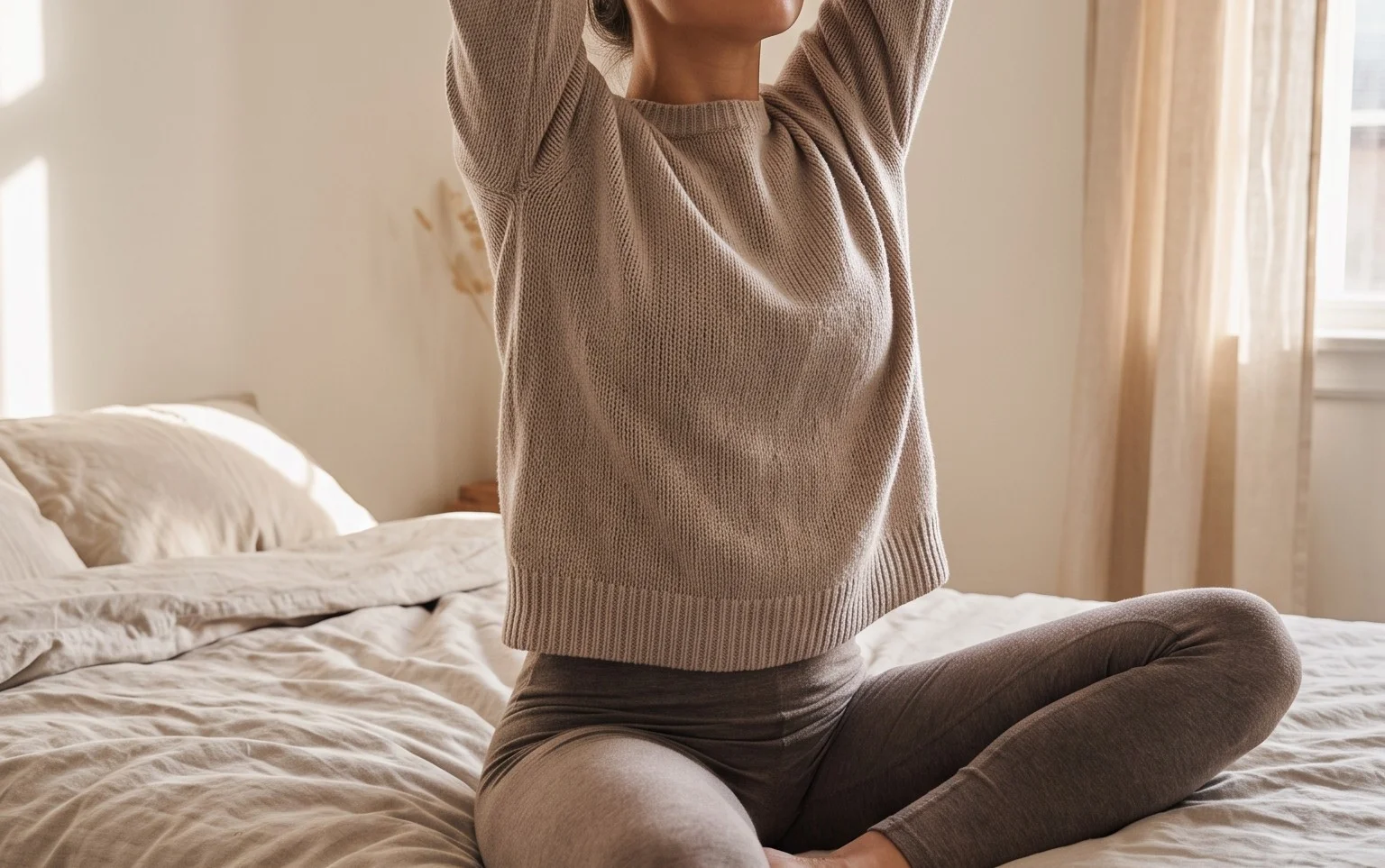
Wake Up Your Body: 8 Morning Stretches for Strength, Flexibility, and Calm
The alarm blares, and the day begins. For many, this transition from sleep to wakefulness can feel like a jarring jolt. We might experience stiffness, a sense of mental fog, or even a general feeling of being unmoored. But what if there was a simple, accessible way to gently coax your body and mind into readiness for the day ahead? Morning stretches are precisely that – a way to awaken your muscles, improve your range of motion, and cultivate a sense of grounded presence before the demands of the day truly set in.
Incorporating a few mindful stretches into your morning routine can have a profound impact on how you feel, both physically and mentally. It’s not about achieving Olympic-level flexibility overnight; it’s about establishing a consistent practice that nurtures your well-being. This article will explore eight effective stretches, explaining their benefits in plain language, common reasons you might benefit from them, what general health guidance suggests, practical tips for integration, what the evidence supports, and when it’s important to seek professional advice.
Why Morning Movement Matters
Overnight, our bodies can become quite still. Muscles can tighten, joints can stiffen, and circulation can slow down. This is a natural consequence of rest, but when we transition abruptly to a day of sitting, working, or rushing, we can exacerbate these feelings of stiffness and discomfort. Morning stretches act as a gentle reawakening, signaling to your body that it’s time to move and come alive.
Common signs that morning stretching could be beneficial include:
- Feeling stiff or achy upon waking.
- Experiencing reduced range of motion in your joints.
- Feeling sluggish or mentally foggy in the morning.
- Having a tendency to rush into your day without a moment of calm.
- Experiencing mild tension in your neck, shoulders, or back.
General health guidance consistently emphasizes the importance of regular physical activity for overall well-being. While this often focuses on cardiovascular exercise and strength training, the benefits of flexibility and mobility are equally acknowledged. Health authorities generally advise incorporating movement that improves range of motion and reduces muscle tension as part of a balanced healthy lifestyle.
The 8 Essential Morning Stretches
The following stretches are designed to be accessible and effective, requiring no special equipment and can be performed in a small space. Focus on moving with your breath, listening to your body, and avoiding any sharp or intense pain.
1. Neck Rolls
What it is: Gently tilting your head from side to side, bringing your chin towards your chest, and then slowly rolling your ear towards your shoulder. This is a gentle mobilization of the neck muscles.
Common signs or factors: Many people hold tension in their neck and shoulders due to stress, prolonged computer use, or poor posture. This can lead to stiffness and discomfort.
General guidance: Maintaining flexibility in the neck and upper spine is often recommended for comfort and to prevent tension headaches.
Practical everyday habits: Perform 3-5 slow rolls in each direction, breathing deeply throughout. Avoid forcing the movement; let gravity assist.
2. Shoulder Rolls
What it is: Rotating your shoulders forward in a circular motion, then backward. This helps to loosen up the shoulder joint and the muscles surrounding it.
Common signs or factors: Similar to neck stiffness, tight shoulders are common. Slumped posture, carrying heavy bags, or repetitive arm movements can contribute.
General guidance: Keeping the shoulder joints mobile is important for everyday activities and can help alleviate upper back pain.
Practical everyday habits: Perform 5-10 rolls in each direction, focusing on a full, smooth range of motion. Imagine drawing circles with your elbows.
3. Cat-Cow Stretch
What it is: This is a dynamic stretch performed on your hands and knees. On an inhale, you arch your back, dropping your belly towards the floor (Cow pose). On an exhale, you round your spine, tucking your chin to your chest (Cat pose). This sequence mobilizes the entire spine.
Common signs or factors: Back stiffness, particularly in the morning, is very common. This stretch is excellent for waking up the muscles along the spine.
General guidance: Spinal mobility exercises are a staple in recommendations for maintaining back health and reducing stiffness.
Practical everyday habits: Move between Cat and Cow poses for 5-10 breaths, coordinating your breath with the movement. Start slowly and increase the range of motion as you feel comfortable.
4. Downward-Facing Dog
What it is: Starting on your hands and knees, you lift your hips up and back, forming an inverted V-shape with your body. Your hands are shoulder-width apart, and your feet are hip-width apart. This stretch lengthens the hamstrings, calves, shoulders, and spine.
Common signs or factors: Tight hamstrings and calves are frequent complaints, often stemming from prolonged sitting. This pose also provides a gentle inversion, which can be invigorating.
General guidance: Stretches that target the posterior chain (back of the legs and body) are often recommended for improving posture and relieving tension.
Practical everyday habits: Hold the pose for 5-10 breaths. You can gently pedal your feet, bending one knee and then the other, to deepen the calf stretch. Focus on pressing your hips up and back, creating length in your spine.
5. Standing Quad Stretch
What it is: While standing, hold onto a wall or chair for balance if needed. Grasp one ankle and gently pull your heel towards your glutes, feeling a stretch in the front of your thigh (quadriceps).
Common signs or factors: Tight quadriceps can arise from sitting for long periods, as the muscles are in a shortened position. This can lead to knee discomfort and affect gait.
General guidance: Maintaining flexibility in the quadriceps is often advised to support knee health and improve balance.
Practical everyday habits: Hold for 20-30 seconds on each leg. Keep your knees aligned and avoid arching your back excessively.
6. Hamstring Stretch (Seated or Standing)
What it is: For a seated version, extend one leg out in front of you and bend the other knee, placing the sole of that foot against your inner thigh. Hinge forward from your hips, reaching towards the toes of your extended leg. For a standing version, simply hinge at the hips with your legs straight (or with a slight bend) and let your torso hang down.
Common signs or factors: Tight hamstrings are extremely common due to sedentary lifestyles. This can contribute to lower back pain and affect your posture.
General guidance: Regular stretching of the hamstrings is a common recommendation for improving lower body mobility and alleviating back discomfort.
Practical everyday habits: Hold for 20-30 seconds on each leg. Remember to keep your back relatively straight and hinge from the hips, rather than rounding your spine excessively.
7. Child’s Pose
What it is: Kneel on the floor, with your big toes touching and your knees hip-width apart. Fold your torso down between your thighs, resting your forehead on the floor. Extend your arms out in front of you or rest them alongside your body. This is a restorative pose that gently stretches the back and hips and promotes relaxation.
Common signs or factors: This pose is perfect for a moment of calm and can help to release tension in the back, hips, and shoulders. It’s ideal for when you feel overwhelmed or need a moment of grounding.
General guidance: Restorative poses are often included in advice for stress reduction and promoting a sense of calm and well-being.
Practical everyday habits: Hold for as long as feels comfortable, focusing on deep, even breaths. Allow your body to completely relax into the pose.
8. Torso Twist (Seated)
What it is: Sit on the floor with your legs extended. Bend your right knee and place your right foot flat on the floor outside your left thigh. Place your right hand on the floor behind you for support. Inhale to lengthen your spine, and exhale to gently twist your torso to the right, bringing your left elbow to the outside of your right thigh, or hugging your knee to your chest.
Common signs or factors: Rotational stiffness in the spine can occur from everyday activities. This stretch helps to improve mobility in the thoracic and lumbar spine and can release tension in the obliques.
General guidance: Spinal mobility, including rotation, is often encouraged as part of a comprehensive approach to back health and posture.
Practical everyday habits: Hold for 20-30 seconds on each side. Breathe into the twist, gently increasing the rotation with each exhale. Avoid forcing the twist; keep it gentle and controlled.
Evidence and What to Expect
The evidence supporting the benefits of regular stretching, particularly for improving flexibility and reducing muscle stiffness, is robust. Studies generally show that consistent stretching can increase range of motion, reduce muscle soreness, and improve postural alignment. For morning stretches, the immediate benefits often reported include feeling more awake, less stiff, and more prepared for the day. The mental benefits, such as a sense of calm and improved focus, are also frequently cited, likely due to the mindful nature of the practice and the activation of the parasympathetic nervous system.
What the evidence *does not* typically support is the idea that isolated stretching alone can dramatically build muscle strength or significantly alter body composition. While some muscle activation occurs, stretching is primarily focused on lengthening and increasing the mobility of muscles and connective tissues. It’s a complementary practice to be combined with other forms of exercise for a truly comprehensive fitness regimen.
Common Myths Worth Correcting
One common myth is that you need to feel significant pain for a stretch to be effective. This is incorrect. While you should feel a gentle pull or tension, sharp or intense pain is a sign that you’re pushing too hard and could risk injury. Another myth is that stretching should be done only when muscles are warm. While dynamic stretching is often recommended before exercise, gentle morning stretches on waking are still beneficial for increasing mobility and reducing stiffness. The key is to move gently and mindfully.
When to Speak to a Qualified Professional
While morning stretches are generally safe and beneficial for most people, it’s important to listen to your body. You should speak with a qualified healthcare professional, such as a doctor, physical therapist, or certified athletic trainer, if you experience any of the following:
- Persistent or severe pain that does not improve with gentle movement.
- Any new or worsening pain after starting a stretching routine.
- Significant stiffness or limited range of motion that interferes with daily activities.
- Discomfort that radiates into your arms or legs.
- A history of injury or a specific medical condition that might be affected by stretching.
A qualified professional can assess your individual needs, identify any underlying issues, and provide personalized guidance on appropriate exercises and stretches for your body. They can help you develop a safe and effective plan tailored to your specific health goals and concerns.
By incorporating these eight simple stretches into your morning, you can begin to cultivate a stronger, more flexible, and grounded presence. It’s a small investment of time that can yield significant returns in your daily well-being, setting a positive and mindful tone for the hours ahead.
Conclusion
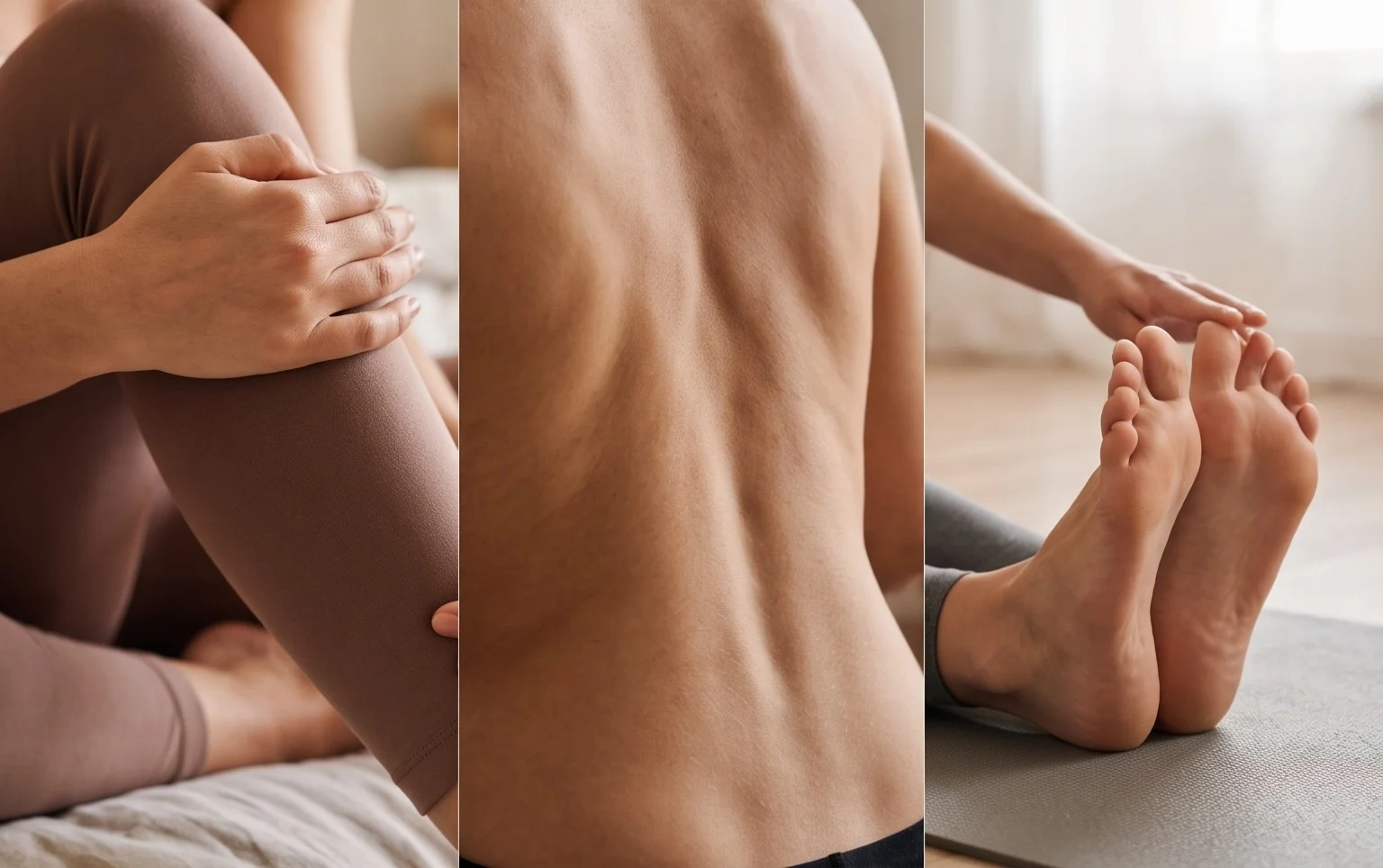
Incorporating these simple morning stretches into your routine can be a gentle yet powerful way to cultivate a sense of strength, flexibility, and inner calm. Remember, the goal isn’t perfection, but consistent, small efforts. Even dedicating a few minutes each day to these movements can lead to significant positive changes over time. This information is for general guidance and does not replace professional medical advice. Always consult with a healthcare provider before starting any new fitness program. We hope this has inspired you to explore more about movement and well-being.