Korean Apple Tea with Ginger and Cinnamon, also known as Saegwa Cha, offers a comforting and naturally healthful beverage for your daily routine. This warming infusion, made from simple, wholesome ingredients, can be a delightful way to support your well-being throughout the year. It’s particularly relevant for those seeking gentle, natural ways to enhance their daily comfort and embrace soothing traditions. If you’re looking for a delicious and beneficial drink to add to your self-care practices, Saegwa Cha might be just what you need. In this article, we’ll explore the ingredients, the potential benefits of this traditional tea, and how you can easily incorporate it into your lifestyle.

Saegwa Cha: A Warming Embrace of Korean Apple Tea with Ginger and Cinnamon
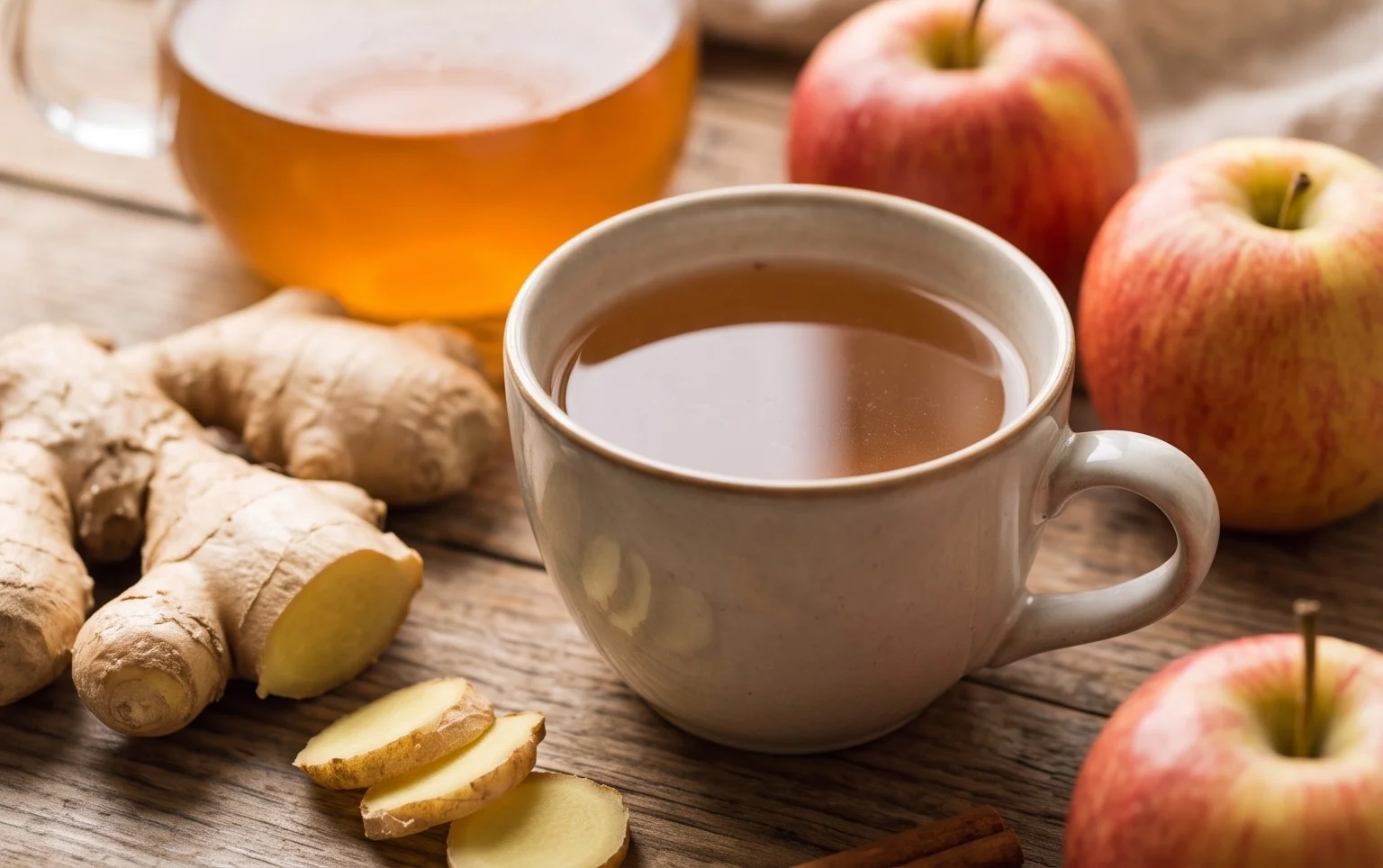
As the air grows cooler and days shorten, many of us seek out comforting beverages that not only warm our bodies but also offer potential wellness benefits. Korean Apple Tea, known as Saegwa Cha (사과차), is a delightful and time-honored choice. This fragrant infusion, typically made with sliced apples, fresh ginger, and warming cinnamon sticks, is more than just a soothing drink; it’s a tradition rooted in the belief of harnessing natural ingredients for well-being.
In plain language, Saegwa Cha is a simple yet flavorful herbal tea. It’s prepared by simmering ingredients like thinly sliced apples (often with their skins), pieces of fresh ginger root, and cinnamon sticks in water. The result is a naturally sweet, slightly spicy, and wonderfully aromatic brew that can be enjoyed hot, making it a perfect companion for chilly mornings or relaxing evenings.
Common Signs or Factors That Might Lead Someone to Consider Saegwa Cha
While Saegwa Cha is enjoyed by many simply for its taste and comforting qualities, certain common signs or factors might lead individuals to incorporate it into their routine. These often relate to everyday discomforts and a desire for natural remedies:
- A feeling of slight chilliness or a desire for internal warmth.
- Mild digestive unease, such as occasional bloating or discomfort after meals.
- A scratchy throat or the onset of a minor cough.
- General feelings of fatigue or a need for a gentle pick-me-up.
- A desire for a natural alternative to sugary drinks.
- Seasonal shifts and the associated changes in well-being.
What General Guidance Says About Ingredients in Saegwa Cha
Health authorities generally acknowledge the potential benefits of the individual ingredients found in Saegwa Cha, promoting their incorporation into a balanced diet. While specific claims about Saegwa Cha as a whole product are not typically the focus, the components are often highlighted for their traditional uses and nutritional profiles.
- Apples: Apples are recognized as a source of dietary fiber, particularly pectin, and contain various vitamins and antioxidants. General dietary guidance emphasizes the consumption of fruits as part of a healthy eating pattern to support overall well-being and digestive health.
- Ginger: Fresh ginger has a long history of use in traditional medicine for its purported warming properties and its potential to soothe digestive discomfort. It is often suggested as a natural aid for occasional nausea and to support a healthy digestive system.
- Cinnamon: Cinnamon is a popular spice known for its distinct aroma and flavor. It is often associated with warming effects and is a common ingredient in traditional remedies aimed at promoting comfort and well-being.
It’s important to note that general guidance from health authorities focuses on the role of these ingredients within a balanced diet and lifestyle, rather than recommending them as standalone treatments for specific health conditions. The emphasis is on incorporating whole, nutrient-rich foods and beverages as part of a proactive approach to health.
Practical Everyday Habits to Embrace Saegwa Cha
Integrating Saegwa Cha into your daily life can be a simple and enjoyable way to experience its comforting qualities. Here are some practical habits to consider:
- Morning Ritual: Start your day with a warm mug of Saegwa Cha instead of your usual coffee or tea. The natural sweetness of the apples can be particularly invigorating.
- Afternoon Refresher: When you feel a dip in energy or a slight chill in the afternoon, brew a cup. It offers a gentle lift without the caffeine crash.
- Evening Wind-Down: Enjoy a calming cup of Saegwa Cha before bed. Its warm and soothing properties can contribute to a relaxed state.
- Post-Meal Digestive Aid: Sip on Saegwa Cha after a meal, especially if you experience mild digestive discomfort. The ginger can be particularly helpful.
- Sharing with Loved Ones: Prepare a larger batch to share with family or friends, especially during cooler months. It’s a wonderful way to connect and offer a comforting beverage.
- Creative Additions: Experiment with adding a squeeze of lemon for extra brightness or a few cloves for an intensified spice profile.
- Hydration Boost: Use Saegwa Cha as a flavorful way to increase your daily fluid intake, especially if plain water feels unappealing.
What the Evidence Does and Does Not Support
When considering the scientific evidence surrounding Saegwa Cha, it’s important to differentiate between what is supported by research and what remains in the realm of traditional use or anecdotal evidence. The individual components of Saegwa Cha have been the subject of scientific inquiry.
- Supported by Evidence:
- Antioxidant Properties: Apples, ginger, and cinnamon all contain compounds that exhibit antioxidant activity. Antioxidants play a role in protecting the body’s cells from damage caused by free radicals.
- Digestive Support (Ginger): Studies have explored ginger’s potential to alleviate certain types of nausea and to support healthy digestion.
- Anti-inflammatory Potential (Ginger and Cinnamon): Both ginger and cinnamon contain compounds that researchers have investigated for their anti-inflammatory properties.
- Not Necessarily Supported by Robust Evidence (or requires more research):
- Specific Disease Prevention or Treatment: While the ingredients may contribute to overall health, there is no robust scientific evidence to suggest that Saegwa Cha can prevent or treat specific diseases.
- Dosage-Dependent Efficacy: Scientific research often focuses on specific compounds or concentrated extracts. The effects of a home-brewed tea, like Saegwa Cha, with varying ingredient concentrations, are less precisely studied.
- Direct Immune System Boosting: While a healthy diet and lifestyle can support immune function, claims that Saegwa Cha directly “boosts” the immune system are not strongly supported by current scientific consensus.
The overall consensus is that Saegwa Cha can be a beneficial addition to a healthy lifestyle, offering comfort and a pleasant way to consume beneficial compounds. However, it should not be viewed as a substitute for medical advice or treatment.
Common Myths Worth Correcting
As with many traditional remedies, Saegwa Cha can be surrounded by misconceptions. It’s helpful to address some common myths to foster a clearer understanding:
- Myth: Saegwa Cha is a Cure for the Common Cold.
Correction: While the warming nature of Saegwa Cha, combined with the properties of ginger and cinnamon, can offer soothing relief for cold symptoms like a sore throat or congestion, it does not cure the cold virus itself. It acts as a comfort measure.
- Myth: The more you drink, the better the results.
Correction: Like most things, moderation is key. While Saegwa Cha is generally safe, excessive consumption of any beverage can lead to unintended consequences, such as digestive upset if too much ginger is consumed, or potential interactions with medications. Focus on enjoying it as part of a balanced intake.
- Myth: Saegwa Cha will cause weight loss.
Correction: While Saegwa Cha is a low-calorie alternative to sugary drinks, and some of its ingredients are being researched for metabolic effects, it is not a magic bullet for weight loss. Weight management is a complex process that involves diet, exercise, and lifestyle changes.
- Myth: You need special, expensive apples for authentic Saegwa Cha.
Correction: While certain apple varieties might offer a slightly different flavor profile, good quality, readily available apples will work perfectly. The focus is on fresh ingredients and the synergistic blend of flavors and properties.
When to Speak to a Qualified Professional
While Saegwa Cha can be a wonderful addition to a healthy lifestyle, it’s crucial to understand its limitations and when professional medical advice is necessary. The following signs indicate you should consult a qualified healthcare professional:
- Persistent or severe symptoms: If you experience ongoing or worsening symptoms such as a high fever, difficulty breathing, severe sore throat, or significant digestive distress, it is important to seek medical attention.
- Underlying health conditions: If you have pre-existing health conditions, particularly those related to digestion, blood sugar regulation, or are taking medications (such as blood thinners or medications for diabetes), it is wise to discuss incorporating new dietary habits, including regular consumption of herbal teas, with your doctor.
- Allergic reactions: Although rare, some individuals may have sensitivities or allergies to certain ingredients. If you experience any signs of an allergic reaction after consuming Saegwa Cha, discontinue use and seek medical advice.
- Pregnancy or breastfeeding: If you are pregnant or breastfeeding, it is always recommended to consult with your healthcare provider before consuming any herbal remedies or teas, as some ingredients may not be suitable.
- Concerns about self-treatment: If you are relying on Saegwa Cha to manage a significant health concern, or if your symptoms are concerning you, professional medical evaluation is essential.
Remember, this information is for general knowledge and informational purposes only, and does not constitute medical advice. It is essential to consult with a qualified healthcare professional for any health concerns or before making any decisions related to your health or treatment.
Conclusion
Embracing the warmth and gentle spice of Korean Apple Tea, or Saegwa Cha, offers a simple yet effective way to nurture your well-being. We’ve explored how the natural sweetness of apples, combined with the invigorating properties of ginger and the comforting aroma of cinnamon, can contribute to a sense of calm and digestive comfort. Remember, meaningful health improvements often stem from consistent, small steps rather than overwhelming overhauls. Consider incorporating this delightful tea into your routine a few times a week as a pleasant ritual. This information is for general knowledge and informational purposes only, and does not constitute medical advice. Always consult with a qualified healthcare professional for any health concerns or before making any decisions related to your health or treatment. We encourage you to continue exploring the world of traditional wellness practices and discover other nourishing beverages.