Matcha Overnight Oats are a delightful and nourishing way to start your day, offering a simple yet effective boost to your daily routine. This no-cook breakfast combines the creamy goodness of oats with the vibrant, earthy flavor and gentle energy of matcha green tea. It matters day to day because it provides sustained energy and a moment of calm before the demands of your schedule begin. This is especially relevant for busy individuals, students, or anyone looking for a convenient and healthy breakfast option that can be prepared in advance. In this article, we’ll explore the benefits of this power-packed breakfast, offer some simple variations to suit your taste, and share tips for making it a regular part of your wellness journey. We aim to provide practical, encouraging information to help you feel your best.
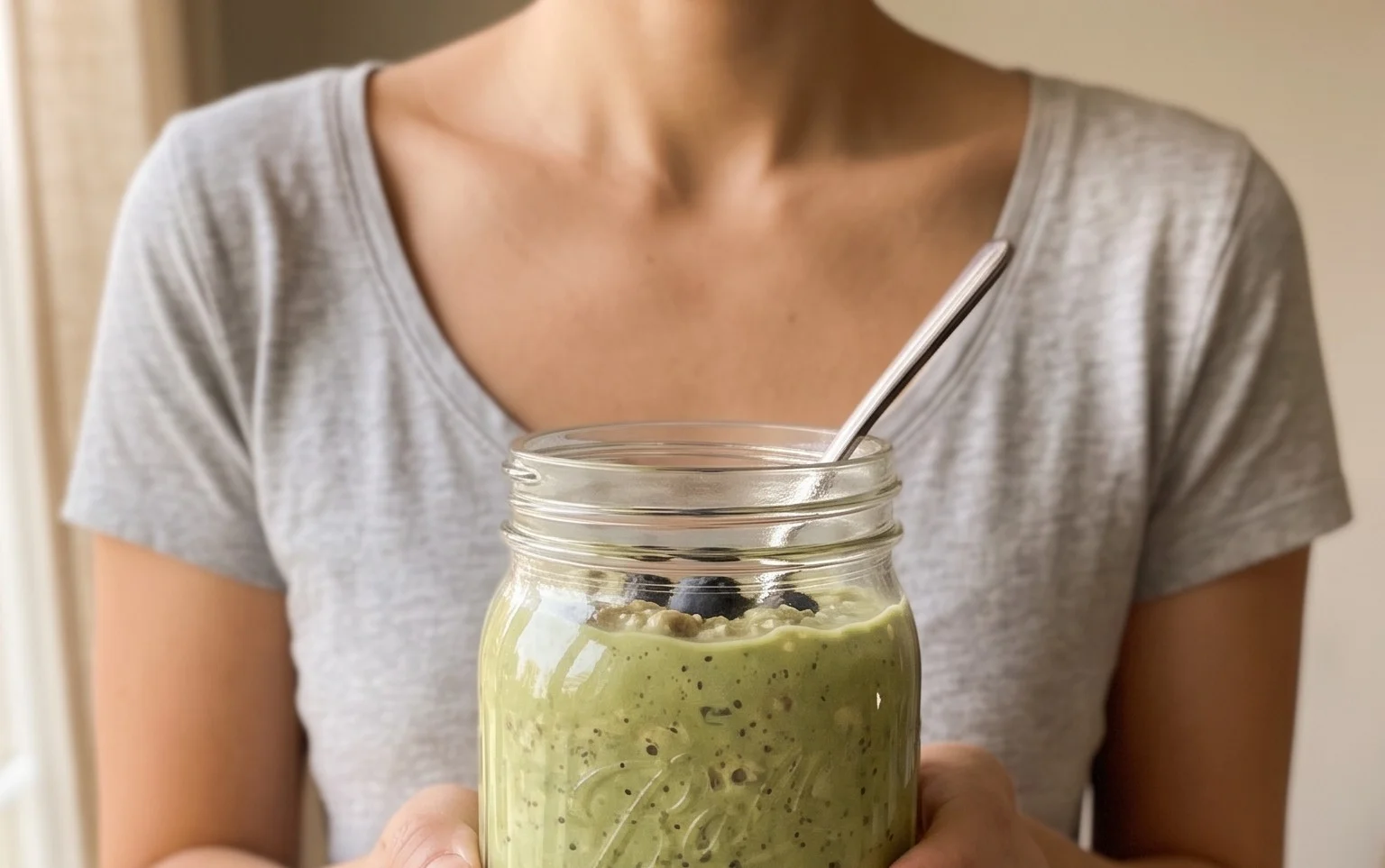
Matcha Overnight Oats: A Wholesome Start to Your Day
What Exactly Are Matcha Overnight Oats?
Matcha overnight oats are a simple yet nutritious breakfast or snack option that combines the goodness of rolled oats with the vibrant flavor and potential health benefits of matcha green tea powder. At its core, this dish involves soaking rolled oats in a liquid – typically milk (dairy or non-dairy) or yogurt – along with matcha powder, and allowing it to sit in the refrigerator overnight. This no-cook method transforms the oats into a creamy, pudding-like consistency by morning, ready to be enjoyed cold. The addition of matcha introduces a unique, slightly earthy and subtly sweet flavor profile, along with a boost of antioxidants. It’s a convenient way to prepare a healthy meal ahead of time, making busy mornings much more manageable.
Common Signs or Factors Influencing Interest in Matcha Overnight Oats
People are often drawn to matcha overnight oats for a variety of reasons, frequently linked to their health and wellness goals. Some of the common signs or factors that might lead someone to explore this breakfast option include:
- Desire for a Healthy Breakfast: Many individuals are actively seeking breakfast alternatives that are both nutritious and satisfying, moving away from processed cereals or sugary pastries.
- Seeking Energy Boosts: The caffeine content in matcha is often a draw for those looking for a gentler, more sustained energy lift compared to coffee.
- Interest in Antioxidant-Rich Foods: Matcha is renowned for its high antioxidant content, particularly catechins like EGCG. Consumers interested in boosting their antioxidant intake may turn to matcha-infused foods.
- Convenience and Time Constraints: With increasingly demanding schedules, the appeal of a breakfast that can be prepared the night before and is ready to grab-and-go is significant.
- Digestive Health Concerns: The fiber content in oats can be beneficial for digestion. Combining this with other potentially gut-friendly ingredients like yogurt can be an attractive prospect.
- Curiosity about Matcha: As matcha has gained popularity, many are curious to incorporate it into their diet and are looking for accessible and enjoyable ways to do so.
- Weight Management Goals: For those focused on weight management, oats are a filling food that can contribute to satiety, and matcha is sometimes associated with metabolic support.
General Guidance on Healthy Eating and Breakfast
Health authorities generally emphasize the importance of a balanced and nutrient-dense breakfast to start the day. The overarching guidance often points towards:
- Whole Grains: Consuming whole grains, like oats, provides essential fiber, which aids digestion, promotes satiety, and can help regulate blood sugar levels.
- Lean Protein: Including a source of protein at breakfast can further enhance fullness and support muscle health. This can come from dairy or non-dairy milk, yogurt, nuts, seeds, or protein powder.
- Healthy Fats: Incorporating healthy fats from sources like chia seeds, flax seeds, nuts, and seeds contributes to sustained energy and nutrient absorption.
- Fruits and Vegetables: Adding fruits and even some vegetables can boost vitamin, mineral, and antioxidant intake.
- Limiting Added Sugars: General recommendations advise minimizing the consumption of foods and beverages with high amounts of added sugars, which can lead to energy crashes and contribute to long-term health issues.
- Hydration: Staying adequately hydrated throughout the day, starting with breakfast, is also a key aspect of overall well-being.
When it comes to beverages like tea, including green tea and its concentrated form, matcha, general guidance often highlights their potential antioxidant properties and the moderate caffeine content, which can offer a mild stimulant effect. The key is moderation and balance within the overall dietary pattern.
Practical Everyday Habits to Incorporate Matcha Overnight Oats
Integrating matcha overnight oats into your routine can be quite straightforward. Here are some practical habits you can adopt:
- Prepare the Night Before: This is the cornerstone. Allocate a few minutes before bed to combine your ingredients in a jar or container. This ensures your breakfast is ready to go in the morning, saving precious time.
- Invest in Quality Matcha: The flavor and benefits of your oats will significantly depend on the quality of the matcha you use. Opt for ceremonial or culinary grade matcha from reputable sources.
- Experiment with Liquid Bases: Don’t be afraid to try different milks (almond, soy, oat, coconut, dairy) or even a combination of milk and yogurt to find your preferred texture and taste.
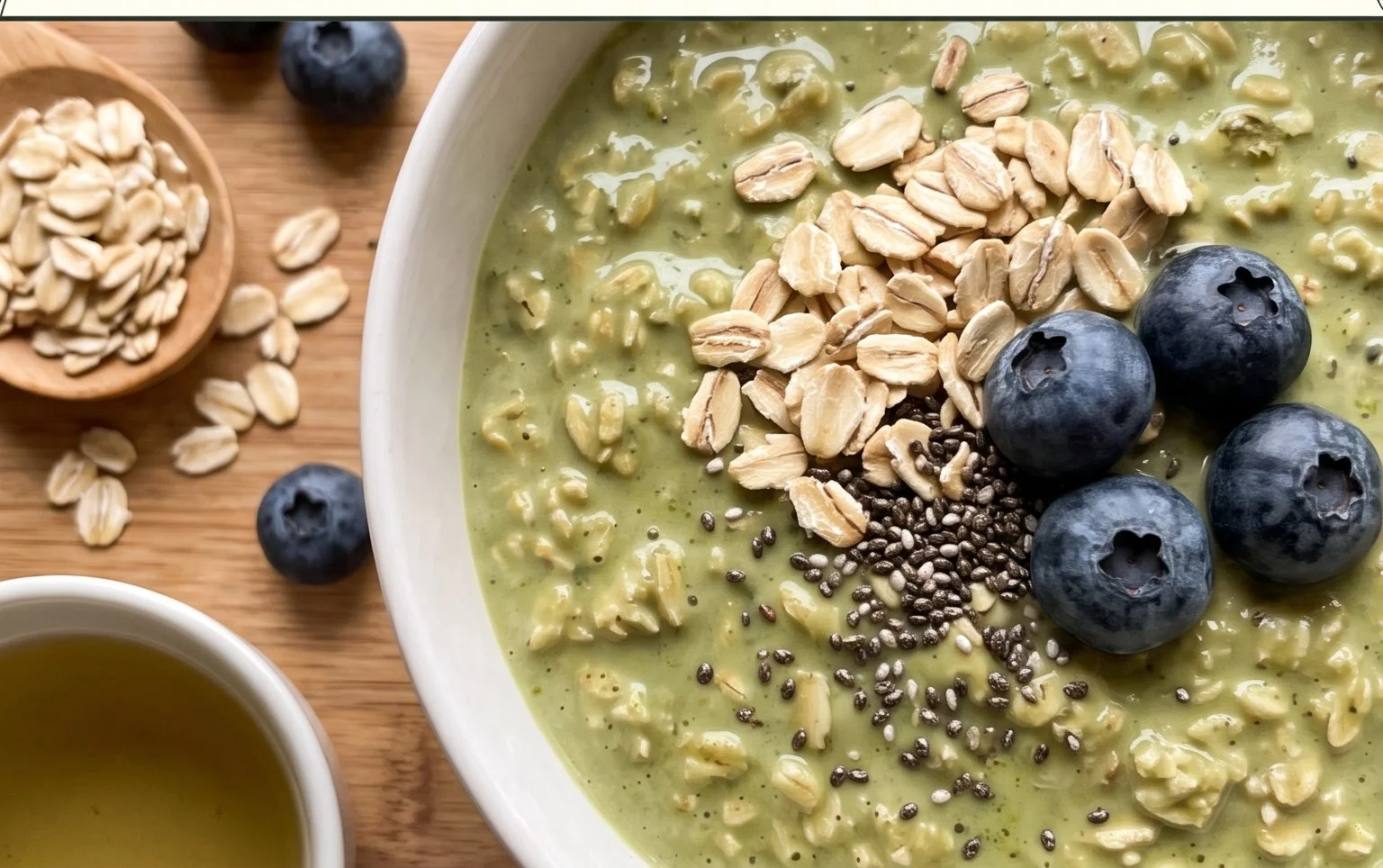
- Add Your Favorite Toppings: This is where you can get creative and boost the nutritional profile further. Think about adding fresh berries, sliced banana, a sprinkle of nuts or seeds (chia, flax, pumpkin), a drizzle of honey or maple syrup (in moderation), or even a dollop of nut butter.
- Portion Control: Be mindful of portion sizes, especially if you’re adding calorie-dense toppings. A standard serving of oats is usually around ½ cup dry oats.
- Listen to Your Body: Pay attention to how you feel after eating your matcha overnight oats. If you experience any digestive discomfort, you might need to adjust the ingredients or quantities.
- Keep it Simple: For busy days, a basic recipe with oats, liquid, matcha, and perhaps a sweetener is perfectly fine. You can add more elaborate toppings on days when you have more time.
What the Evidence Does and Does Not Support
The evidence surrounding matcha and oats largely focuses on their individual components and the combined nutritional impact. Here’s a breakdown:
What the Evidence Supports:
- Antioxidant Power of Matcha: Numerous studies support that matcha is rich in antioxidants, particularly epigallocatechin gallate (EGCG). These compounds are known to help protect cells from damage caused by free radicals.
- Nutritional Value of Oats: The benefits of oats, including their high fiber content (especially beta-glucan), are well-established. Beta-glucan is known for its potential to help lower cholesterol levels and improve blood sugar control.
- Satiety and Energy: The combination of fiber from oats and the moderate caffeine from matcha can contribute to feelings of fullness and provide sustained energy, which can be beneficial for breakfast.
- Convenience and Nutrient Density: As a prepared meal, matcha overnight oats offer a convenient way to consume a relatively nutrient-dense breakfast, combining complex carbohydrates, some protein, and potential micronutrients.
What the Evidence Does Not (or Less Strongly) Support:
- Specific “Superfood” Claims: While matcha and oats are healthy, the idea that they are magic bullets for specific diseases or miraculous cures is generally not supported by robust scientific evidence. Their benefits are best understood within a balanced dietary pattern.
- Rapid Weight Loss: While the fiber in oats and the potential metabolic effects of matcha might aid in weight management as part of a calorie-controlled diet, there’s no strong evidence to suggest that matcha overnight oats alone cause rapid or significant weight loss.
- Detoxification: Claims that matcha or oats have strong “detoxifying” properties are largely unproven. The body has its own effective detoxification systems.
- Dosage-Specific Benefits: Specific amounts of matcha in overnight oats that guarantee particular health outcomes are not typically defined by scientific studies. The benefits are more about regular, moderate consumption as part of a healthy diet.
Common Myths About Matcha Overnight Oats Worth Correcting
As with many popular health foods, myths can arise. Here are a few common misconceptions about matcha overnight oats:
- Myth: Matcha is just “green tea” and tastes the same.
Correction: While matcha is derived from green tea leaves, it’s processed differently (leaves are ground into a fine powder) and has a more concentrated flavor and nutrient profile, often described as richer and more vegetal than steeped green tea. - Myth: You need a lot of matcha for it to be effective.
Correction: While a higher quality matcha may require less to achieve a pleasant flavor and benefit from its compounds, excessive amounts are not necessarily better and can lead to an overly bitter taste. Following recipe guidelines is usually sufficient. - Myth: Overnight oats are bland and boring.
Correction: This is far from the truth! The beauty of overnight oats lies in their versatility. Through the addition of various fruits, spices, nuts, seeds, and even a touch of natural sweetener, you can create an incredibly diverse and delicious breakfast experience. Matcha itself adds a unique, pleasant flavor. - Myth: This is a magic weight loss food.
Correction: As mentioned, while oats provide satiety and matcha may have some metabolic benefits, no single food guarantees weight loss. It’s the overall dietary pattern and lifestyle that are most important. - Myth: Matcha overnight oats are difficult to make.
Correction: The “overnight” aspect highlights its simplicity. The preparation itself usually takes just a few minutes of mixing ingredients.
When to Speak to a Qualified Healthcare Professional
While matcha overnight oats can be a healthy and enjoyable part of a balanced diet, it is important to consult with a qualified healthcare professional for personalized advice, especially if you have any underlying health conditions or concerns. You should seek professional guidance if you experience any of the following:
- Persistent Digestive Issues: If you experience ongoing bloating, gas, stomach pain, or changes in bowel habits after consuming oats or other foods, it’s important to discuss this with a doctor or registered dietitian.
- Allergies or Intolerances: If you suspect you have an allergy or intolerance to any of the ingredients in matcha overnight oats (e.g., oats, dairy, nuts, soy), seek professional advice for diagnosis and management.
- Significant Changes in Energy Levels or Mood: While matcha can provide energy, if you experience extreme fluctuations in energy, persistent fatigue, or significant mood changes, it’s important to consult a healthcare provider.
- Concerns About Medication Interactions: If you are taking any medications, particularly those for blood thinning or that interact with caffeine, discuss the inclusion of matcha in your diet with your doctor or pharmacist.
- Pre-existing Health Conditions: Individuals with conditions such as celiac disease, inflammatory bowel disease, diabetes, or heart conditions should consult their healthcare team before making significant dietary changes.
- Unexplained Weight Changes: If you are experiencing unintentional weight loss or gain, it is crucial to consult a healthcare professional to determine the underlying cause.
Remember, this article is for informational purposes only and does not constitute medical advice. A qualified healthcare professional can assess your individual needs and provide tailored recommendations.
Conclusion
Embracing the simple ritual of preparing your matcha overnight oats is a gentle yet powerful step towards a more balanced routine. By incorporating this nutrient-dense breakfast, you’re investing in sustained energy and a moment of calm to start your day. Remember, lasting wellness is built on small, consistent habits, not overnight transformations. This information is intended for general guidance and should not replace consultation with a qualified healthcare professional. We encourage you to continue exploring other wholesome and easy breakfast ideas to further enhance your well-being.